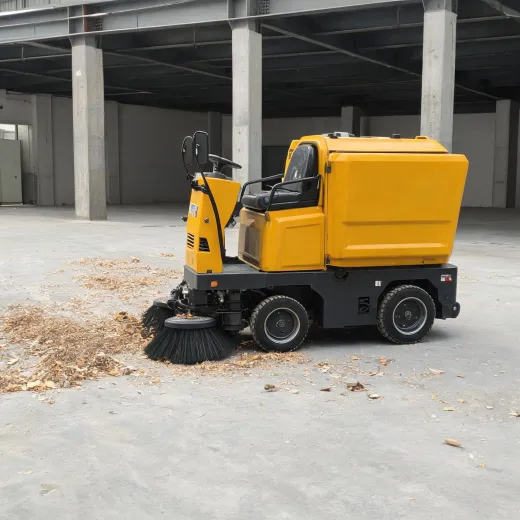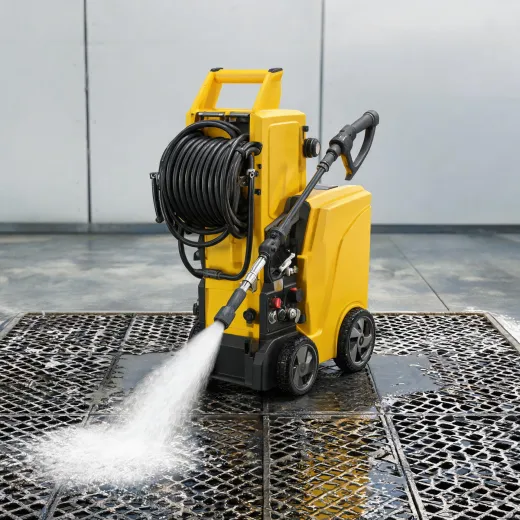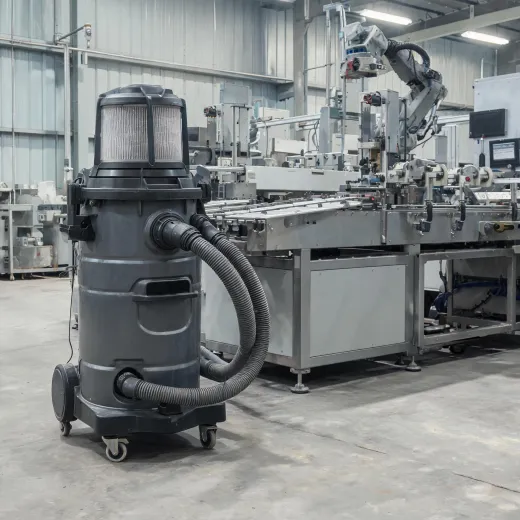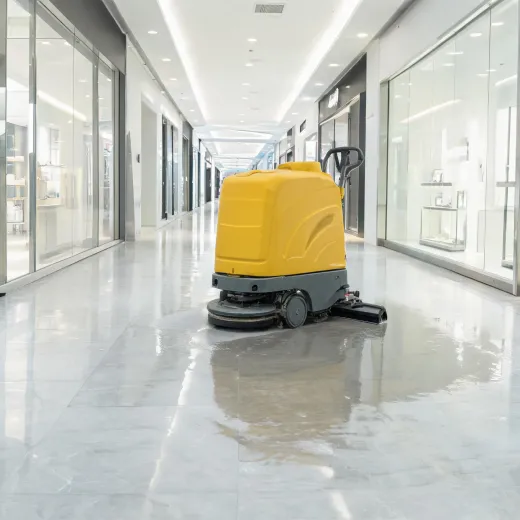
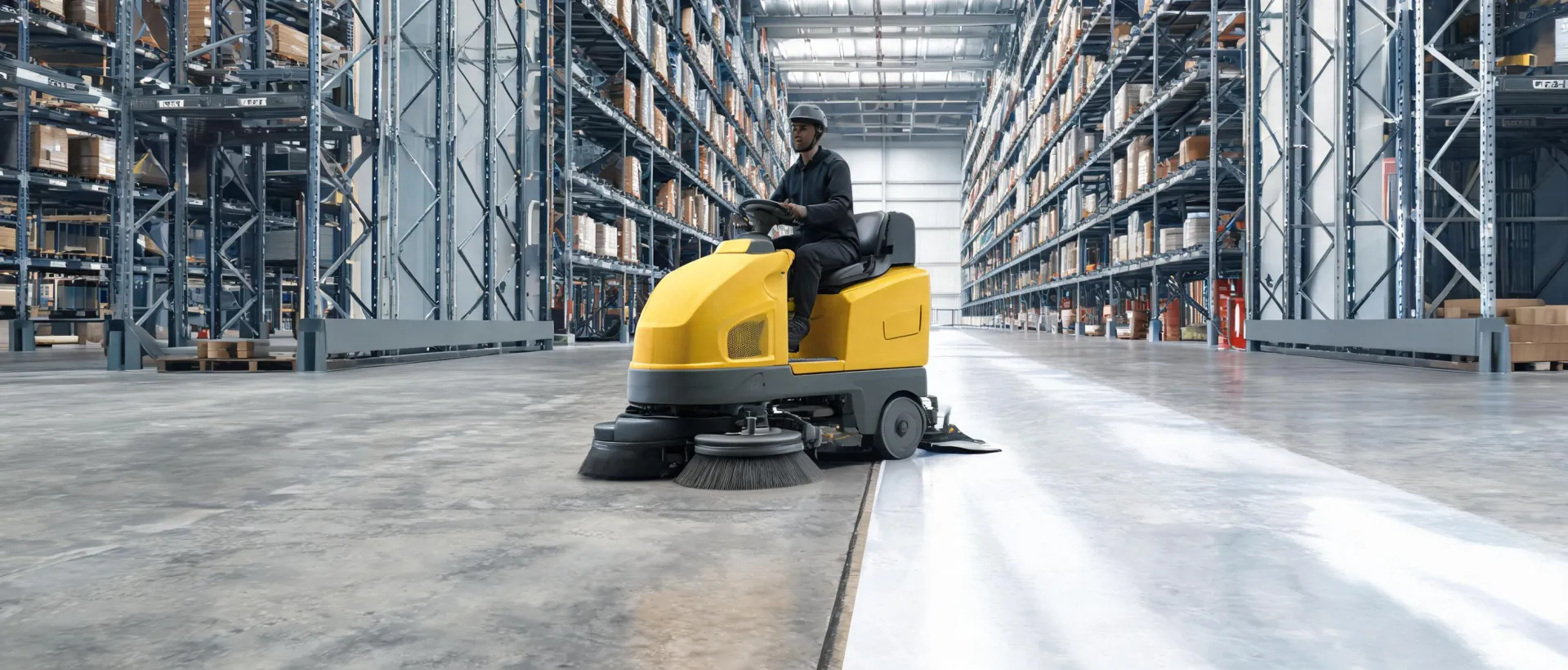
Define traffic, soil, surface, access, and available shift minutes before narrowing the equipment family. The result is a testable brief for scrubbers, sweepers, pressure washers, or industrial vacuums.
A catalogue value becomes meaningful when it is linked to the route where the machine will work. Record the difficult points first, then compare current model documents.
| Floor and soil condition | |
|---|---|
| Surface record | Coating, texture, joints, slopes, drainage, and areas where pedestrians re-enter the route. |
| Soil record | Separate loose debris, fine dust, oily film, tracked grit, and adhered residue before selecting brush, pad, chemistry, or pressure. |
| Machine envelope | |
| Access record | Measure the narrowest doorway, lift, turn, storage bay, and transport path in millimetres. |
| Route record | Map open passes, obstruction zones, refill points, dump travel, charging location, and the permitted cleaning window. |
| Verification condition | |
| Controlled trial | Hold brush or pad, chemistry concentration, travel speed, and operator constant while comparing pickup and visible residue. |
| Acceptance record | Photograph a fixed 1 m² check area before and after the pass, then record drying condition at 1, 3, and 5 minutes. |
Each family handles a different combination of debris, liquid, pressure, recovery, and route geometry.


Lower solution flow can reduce refill travel, but it is useful only when soil removal and pickup remain acceptable. Record the entire route rather than presenting an isolated percentage.
Share floor area, access constraints, soil, surface, utilities, and cleaning window. The next discussion can define the machine family and a reproducible acceptance check.